
Complete Guide for First-Time Car Buyers
- Cars
- Published: 16 Mar, 2026
Book a Test Drive
Free doorstep test drive at your convenience
Buying your first car is an exciting milestone. Whether you need a vehicle for daily commuting, family trips, or personal convenience, purchasing a car is a major financial decision. However, first-time buyers often feel confused because there are so many options, prices, features, and financing choices available.
This guide will help you understand everything you need to know before buying your first car. From setting a budget to choosing the right model, these tips will help you make a smart and confident decision.
Why Buying the Right First Car Matters
Your first car is more than just transportation. It represents independence and convenience. However, if you choose the wrong vehicle, it can lead to unnecessary expenses, high maintenance costs, or dissatisfaction with performance.
That is why it is important to consider factors such as budget, fuel efficiency, safety features, and long-term ownership costs before making a purchase.
1. Set a Realistic Budget
Before exploring different car models, the first step is to determine how much you can afford.
Your budget should include more than just the car's purchase price. Consider additional expenses such as:
- Registration charges
- Car insurance
- Road tax
- Maintenance costs
- Fuel expenses
- Loan interest (if financing)
A good rule is to ensure that your car expenses do not exceed your comfortable monthly budget.
2. Decide Between New and Used Cars
First-time buyers often struggle with the choice between a new car and a used car. Both options have advantages and disadvantages.
New Car Benefits
- Latest technology and safety features
- Manufacturer warranty
- Lower maintenance during initial years
- Better reliability
Used Car Benefits
- Lower purchase price
- Lower depreciation
- Cheaper insurance costs
If you have a limited budget, a well-maintained used car can be a smart option. However, if you want peace of mind and the latest features, a new car may be the better choice.
3. Identify Your Needs and Usage
Before selecting a car model, think about how you plan to use the vehicle.
Ask yourself these questions:
- Will you use the car mainly for city driving or highways?
- Do you need a compact car for traffic and parking?
- Is the car for personal use or family use?
- Do you require extra luggage space?
For example, small hatchbacks are ideal for city driving, while SUVs may be better for larger families or long-distance travel.
4. Research Different Car Models
Once you know your budget and needs, start researching different car models.
Look at important factors such as:
- Fuel efficiency (mileage)
- Engine performance
- Safety ratings
- Customer reviews
- Maintenance cost
- Resale value
Reading expert reviews and watching car comparison videos can also help you understand how different models perform in real-life situations.
5. Check Safety Features
Safety should be a top priority when buying your first car. Modern vehicles come with several safety features that can protect passengers during accidents.
Important safety features to look for include:
- Airbags
- ABS (Anti-lock Braking System)
- Electronic Stability Control
- Rear parking sensors or camera
- Seatbelt reminders
A car with strong safety features provides better protection for both drivers and passengers.
6. Take a Test Drive
A test drive is one of the most important steps in the car-buying process. It allows you to experience how the car feels on the road.
During the test drive, pay attention to:
- Driving comfort
- Steering control
- Brake response
- Engine noise
- Visibility and seating position
Testing the car in both city traffic and open roads can give you a better understanding of its performance.
7. Understand Financing Options
If you are planning to buy your car through a loan, compare different financing options carefully.
Consider these factors before taking a loan:
- Interest rates
- Loan tenure
- Monthly EMI amount
- Down payment requirements
- Processing fees
Choosing the right loan plan can make car ownership more affordable and manageable.
8. Check Insurance Costs
Car insurance is mandatory and an important part of owning a vehicle. Insurance premiums depend on the car model, location, and coverage type.
Before buying a car, compare insurance costs and choose the policy that provides the best balance between coverage and affordability.
9. Consider Long-Term Ownership Costs
Many buyers focus only on the purchase price but forget about long-term expenses.
Ownership costs may include:
- Regular servicing
- Spare parts replacement
- Fuel consumption
- Tire replacement
- Insurance renewal
A car with lower maintenance costs can save a significant amount of money over time.
10. Negotiate the Best Deal
Car prices are often negotiable. Dealers may offer discounts, special offers, or additional benefits.
You may be able to negotiate:
- Cash discounts
- Free accessories
- Extended warranty
- Free service packages
Comparing prices from multiple dealerships can help you secure the best deal.
Common Mistakes First-Time Car Buyers Should Avoid
Many new buyers make simple mistakes that can lead to regret later. Avoid these common errors:
- Buying a car beyond your budget
- Skipping the test drive
- Ignoring safety features
- Not checking maintenance costs
- Choosing a car based only on appearance
Taking time to research and evaluate options will help you avoid these problems.
Conclusion
Buying your first car is an important decision that requires careful planning and research. By setting a realistic budget, understanding your needs, comparing car models, and considering long-term costs, you can make a smart purchase.
Remember that the best car is not necessarily the most expensive one—it is the vehicle that fits your lifestyle, budget, and driving needs.
With the right preparation and knowledge, your first car buying experience can be smooth, enjoyable, and rewarding.
FAQs
1. What should first-time car buyers consider before purchasing a car?
First-time buyers should consider budget, fuel efficiency, safety features, maintenance costs, and financing options before choosing a car.
2. Is it better for beginners to buy a new car or a used car?
It depends on your budget. A new car offers reliability and warranty, while a used car is more affordable and has lower depreciation.
3. How much budget should I plan for my first car?
Your budget should include the car price, insurance, registration, maintenance, and fuel costs.
4. Why is a test drive important before buying a car?
A test drive helps you evaluate comfort, handling, braking, and overall driving experience before making a purchase.
5. Can I negotiate the price of a car with a dealer?
Yes, many dealerships offer discounts, free accessories, or service packages if you negotiate properly.
Book a Test Drive
Free doorstep test drive at your convenience
Popular Brands




















Latest Car News
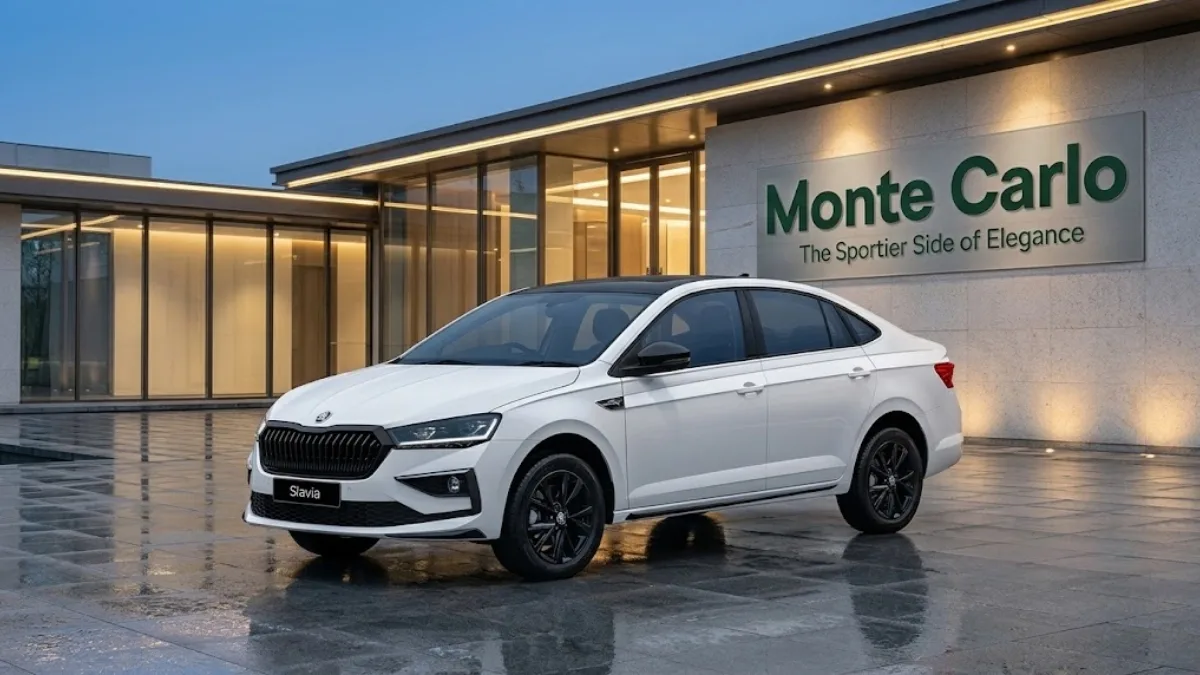
Limited Edition Skoda Slavia Monte Carlo Adds New Colours for 200 Buyers Only
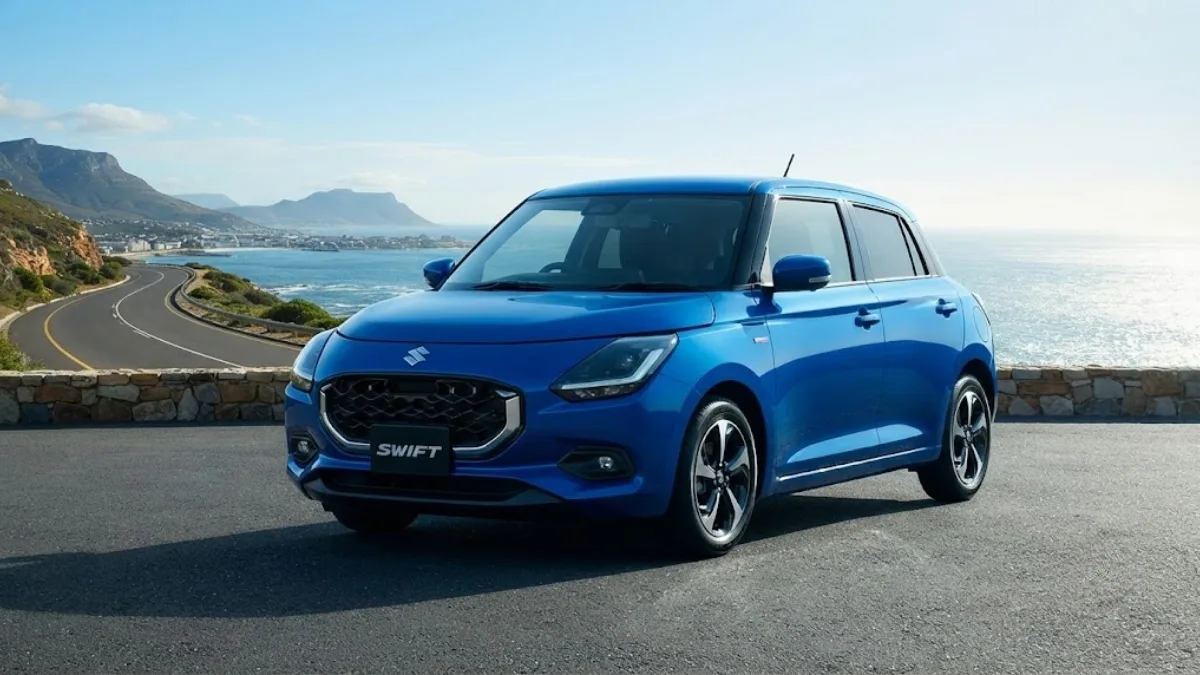
Suzuki Loses India Market Share as Buyers Demand More Features
Hybrid Car Sales Decline 8% in June 2026: Complete Analysis
How to Book Maruti Brezza Facelift: Complete Booking Guide
Alto K10 vs Tiago: Which Is Better?
Maruti Brezza Facelift 2026: What's New Compared to the Current Model?
Renault Duster Adventure Edition vs Standard Duster: What's Different?
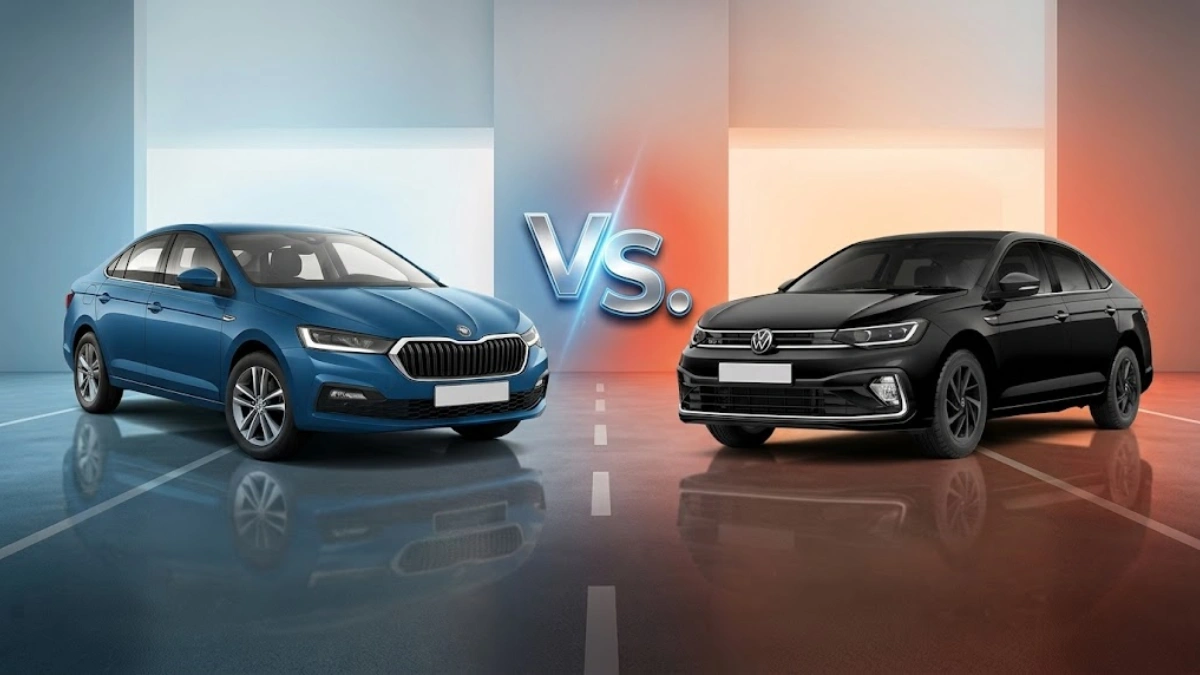
Skoda Slavia Facelift 2026 vs Volkswagen Virtus: Which Sedan Should You Wait For?
Volkswagen Tayron Life Launched in India at ₹41.99 Lakh
Volkswagen Announces 50% Reduction In Global Car Line-up
Tata Nexon Pure Plus : Know Everything Before Buying in July
Best Selling Cars of June 2026 in India
July 2026 Car Offers: Tata, Honda, Kia, MG, Hyundai, Maruti and Other Brands' Discount Offers
Renault Kwid 2026 Launched at Rs 4.53 Lakh
Cheapest Hybrid Cars in India: You Must Know
Tata Sierra Test Drive Booking in Noida: Complete Process Guide
Most Affordable Cars with Ventilated Seats in India

Upcoming Sedan Cars in August 2026 in India
Tata Harrier Test Drive Booking in Delhi: A Complete Guide
Upcoming SUVs in August 2026 in India