
How the 18% GST Cut on Cars and Motorcycles is Revolutionizing India’s Auto Market in 2025
- Cars
- Published: 04 Sep, 2025
Book a Test Drive
Free doorstep test drive at your convenience
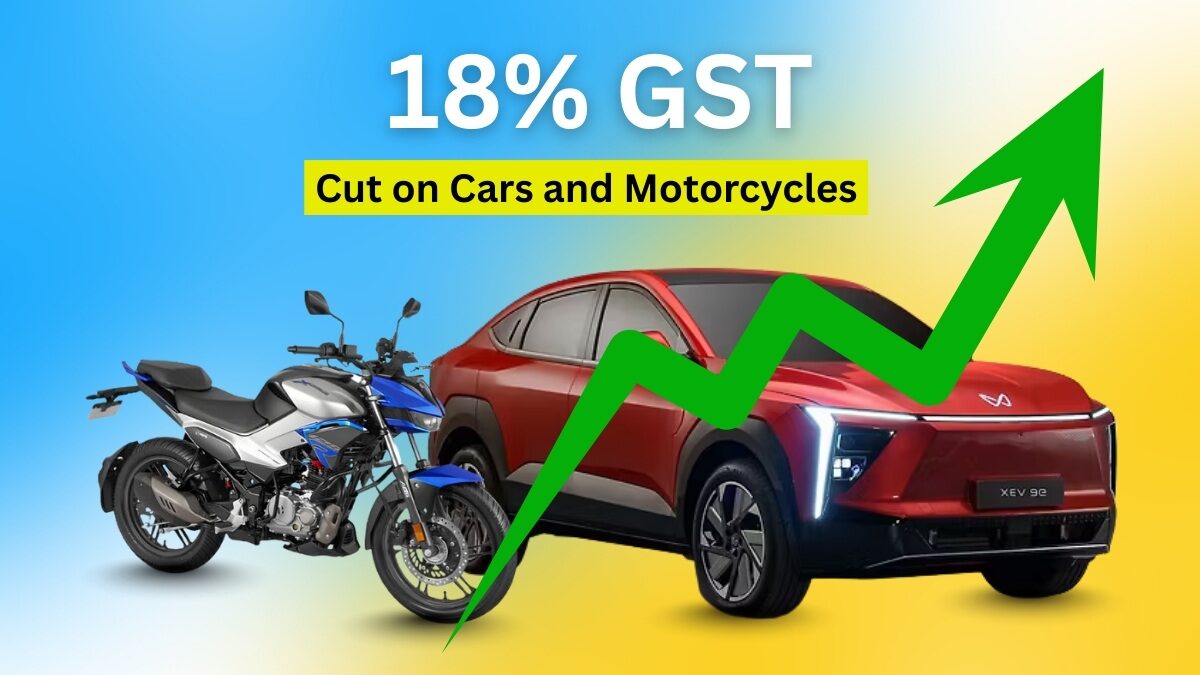
The Indian auto industry has received a major boost in 2025 with the government’s decision to implement an 18% GST cut on cars and motorcycles. This landmark reform is being seen as a game-changer for both manufacturers and buyers, aiming to revive demand, make vehicles more affordable, and strengthen India’s position as one of the world’s fastest-growing automobile markets.
Background of the GST Cut
The Goods and Services Tax (GST) on automobiles previously ranged between 28% and 50% depending on the category, making vehicles significantly more expensive compared to global benchmarks. With the new 18% GST rate, both small and mid-range vehicles are expected to become affordable for the average Indian consumer.
Industry analysts predict that this move will not only encourage first-time buyers but also accelerate the shift towards green mobility, as electric vehicles (EVs) and hybrids will benefit equally.
How It Impacts Consumers
The direct impact of the 18% GST cut on cars and motorcycles is a reduction in on-road prices. For example:
- A two-wheeler priced at ₹1 lakh could now cost nearly ₹85,000.
- A mid-size car priced at ₹10 lakh may drop closer to ₹8.5 lakh.
This price cut is expected to drive higher sales volumes, especially in the budget segment, which constitutes more than 70% of India’s auto market.
How It Impacts Automakers
For automakers, the GST reduction is a much-needed relief in a year marked by inflation, rising input costs, and stiff global competition. With reduced prices, companies like Maruti Suzuki, Hyundai, Hero MotoCorp, Honda, Bajaj, and Tata Motors can target wider audiences and expand rural market penetration.
EV makers such as Ola Electric, Ather, and Tata Passenger Electric Mobility also stand to gain significantly, as lower prices can speed up adoption.
Why Choose Lower GST Vehicles in 2025?
- Affordability Boost – Cars and bikes are now cheaper by 10–15%, making it the best time for new buyers.
- Better Financing Options – Lower prices mean reduced loan amounts and EMIs.
- Technology Access – Premium features such as ABS, digital dashboards, and hybrid tech become accessible at lower costs.
- Green Mobility Push – EVs and hybrids benefit equally, making sustainable choices more appealing.
- Resale Value – With increased demand, vehicles bought under this scheme may hold stronger resale value.
Market Reactions and Predictions
- Dealerships have already reported a sharp rise in showroom footfalls across metro and tier-2 cities.
- Sales of entry-level two-wheelers are expected to surge by 20–25% in the next quarter.
- Automakers are gearing up with aggressive launch plans, anticipating a festival season boom.
- EV adoption is expected to double in 2025, with Ola, Tata, and Mahindra EVs seeing stronger bookings.
Comparison Snapshot: Pre-GST vs Post-GST Pricing
| Vehicle Segment | Avg. Price (Before GST Cut) | Avg. Price (After GST Cut) | Savings for Buyer |
|---|---|---|---|
| Entry-level Bikes | ₹80,000 | ₹68,000 | ₹12,000 |
| Premium Bikes | ₹1.6 Lakh | ₹1.35 Lakh | ₹25,000 |
| Small Cars | ₹7 Lakh | ₹5.9 Lakh | ₹1.1 Lakh |
| Mid-size Cars | ₹12 Lakh | ₹10.2 Lakh | ₹1.8 Lakh |
| EVs (Cars & Bikes) | ₹10 Lakh | ₹8.5 Lakh | ₹1.5 Lakh |
This table highlights how the policy is reshaping affordability across all categories.
Conclusion
The 18% GST cut on cars and motorcycles is proving to be a turning point for the Indian automobile industry in 2025. By making vehicles more affordable, it is driving sales, supporting manufacturers, and accelerating the adoption of electric and hybrid mobility solutions. For buyers, this is perhaps the best time to upgrade or invest in a new vehicle, with clear financial benefits and long-term value.
FAQs
Q1: What is the new GST rate on cars and motorcycles in India?
The government has reduced the GST to 18% in 2025, compared to the earlier 28–50% range.
Q2: Which vehicles benefit from the GST cut?
All vehicles — cars, motorcycles, scooters, and even electric vehicles — benefit from the reduction.
Q3: How much can buyers save under the new GST rate?
Savings range from ₹10,000 on two-wheelers to nearly ₹2 lakh on cars, depending on the model.
Q4: Will this GST cut impact luxury vehicles as well?
Yes, although the percentage savings are higher for budget and mid-range vehicles, premium cars also see significant price drops.
Q5: How does this impact EV adoption in India?
Cheaper pricing makes EVs more attractive, boosting their adoption and supporting India’s sustainability goals.
Book a Test Drive
Free doorstep test drive at your convenience
Popular Brands




















Latest Car News
Limited Edition Skoda Slavia Monte Carlo Adds New Colours for 200 Buyers Only
Suzuki Loses India Market Share as Buyers Demand More Features
Hybrid Car Sales Decline 8% in June 2026: Complete Analysis
How to Book Maruti Brezza Facelift: Complete Booking Guide
Alto K10 vs Tiago: Which Is Better?
Maruti Brezza Facelift 2026: What's New Compared to the Current Model?
Renault Duster Adventure Edition vs Standard Duster: What's Different?
Skoda Slavia Facelift 2026 vs Volkswagen Virtus: Which Sedan Should You Wait For?
Volkswagen Tayron Life Launched in India at ₹41.99 Lakh
Volkswagen Announces 50% Reduction In Global Car Line-up
Tata Nexon Pure Plus : Know Everything Before Buying in July
Best Selling Cars of June 2026 in India
July 2026 Car Offers: Tata, Honda, Kia, MG, Hyundai, Maruti and Other Brands' Discount Offers
Renault Kwid 2026 Launched at Rs 4.53 Lakh
Cheapest Hybrid Cars in India: You Must Know
Tata Sierra Test Drive Booking in Noida: Complete Process Guide
Most Affordable Cars with Ventilated Seats in India
Upcoming Sedan Cars in August 2026 in India
Tata Harrier Test Drive Booking in Delhi: A Complete Guide
Upcoming SUVs in August 2026 in India