
New Rules in Motor Insurance and Changes in Policy Prices
- Cars
- Published: 09 Dec, 2025
Book a Test Drive
Free doorstep test drive at your convenience
Motor insurance is one of the most important protections for vehicle owners, and every year, new rules shift how policies work and how much they cost. Recent regulatory updates and market changes are reshaping policy structures, premium calculations, claim processes, and add-on benefits. Understanding these changes helps drivers make better decisions and avoid unexpected expenses.
Below is a clear, updated guide to the new rules in motor insurance and the key factors behind the changes in policy prices.
1. New Rules Introduced in Motor Insurance
a) Standardization of Add-Ons
Insurance authorities have pushed companies to simplify and standardize certain add-ons like Engine Protection, Zero Depreciation, Consumables Cover, and Return to Invoice.
This makes comparing policies easier and reduces confusion for customers.
b) Changes in Third-Party Premium Rates
Every year, regulators revise third-party insurance prices. Recent updates include:
- Slight increases for certain car and bike categories
- Reduced rates for smaller, fuel-efficient, and electric vehicles
- Special discounted premiums for hybrid vehicles
These changes aim to promote safer and greener mobility.
c) Mandatory Personal Accident Cover Structure
The Personal Accident (PA) cover rules have been reorganized. Instead of buying separate PA covers for each vehicle, owners can choose one master PA policy for all their vehicles.
This reduces duplicate charges and simplifies renewals.
d) Increased Importance of Telematics Policies
Usage-based insurance has become more popular with new rules encouraging “Pay As You Drive” and “Pay How You Drive” plans.
These policies use driving data—speed, braking patterns, distance traveled—to reward safe drivers with lower premiums.
e) Digital Claims and Video Assessment
New rules promote video-based inspections, AI claim processing, and digital document submission.
This reduces claim settlement time and speeds up policy issuance.
f) Coverage for EVs and Battery-Related Risks
With more electric vehicles on the road, insurers now offer:
- Battery warranty extensions
- Charging station liability covers
- Specific fire and damage protections for EV batteries
These rules make EV ownership more secure.
2. Why Motor Insurance Policy Prices Are Changing
a) Increased Repair Cost and Spare Parts Prices
Modern vehicles come with advanced electronics, ADAS sensors, and hybrid components, which are expensive to repair.
This increases claim amounts, resulting in higher premiums.
b) Higher Claim Frequency
More vehicles on the road mean more accidents. Insurers adjust policy prices based on claim trends observed across the year.
c) Advanced Add-Ons Becoming Common
Features like Zero Depreciation, Engine Protect, Roadside Assistance, and No-Claim Bonus Protect are highly demanded.
As people choose more add-ons, overall policy prices increase.
d) Inflation Impact
General inflation raises labor charges, repair costs, and overhead expenses—eventually pushing up policy prices.
e) Special Pricing for EVs and Hybrid Vehicles
While EVs sometimes have lower third-party premiums, their own-damage premiums may be higher because of battery replacement costs.
Similarly, hybrid vehicles receive government-supported discounts.
f) Risk-Based Premium Models
Telematics-based insurance can reduce premiums for safe drivers but may increase prices for:
- High-mileage drivers
- Harsh driving patterns
- Frequent long-distance usage
Why Choose Updated Motor Insurance Policies?
- Better Coverage for Modern Vehicles
Today’s cars have advanced electrical and safety systems. Updated policies offer protection for these expensive components. - Greater Savings Through Usage-Based Models
Safe and low-distance drivers can pay lower premiums under new telematics rules. - More Transparency in Add-Ons
Standardized add-ons reduce confusion and help you compare plans easily. - Faster Claims and Hassle-Free Processing
Digital inspections and video assessments make claim settlement quicker than ever. - Enhanced Protection for EV Owners
New rules include covers for EV batteries, charging equipment, and fire risks.
Conclusion
The motor insurance landscape is evolving to match modern vehicle trends, rising repair costs, and the growing use of electric vehicles. New rules promote transparency, digital convenience, safety-based pricing, and improved coverage. Policy prices may rise for some categories, but the value of protection is stronger than ever.
To get the best benefits, compare different insurers, understand your add-ons, and choose a policy that matches your driving habits and vehicle type.
FAQ
Q1: Why are motor insurance premiums increasing this year?
Premiums have risen due to higher repair costs, inflation, and more frequent claims across the market.
Q2: Do EVs have cheaper motor insurance?
EVs often have lower third-party premiums, but their own-damage premiums may be higher because battery repairs are costly.
Q3: What is usage-based motor insurance?
It is a telematics-based plan where your premium depends on how well and how much you drive.
Q4: Can I use one Personal Accident cover for multiple vehicles?
Yes, new rules allow a single PA cover for all your vehicles.
Q5: Should I switch to a Pay-As-You-Drive policy?
If you drive less than average or have safe driving habits, these policies can save you money.
Book a Test Drive
Free doorstep test drive at your convenience
Popular Brands



















Latest Car News
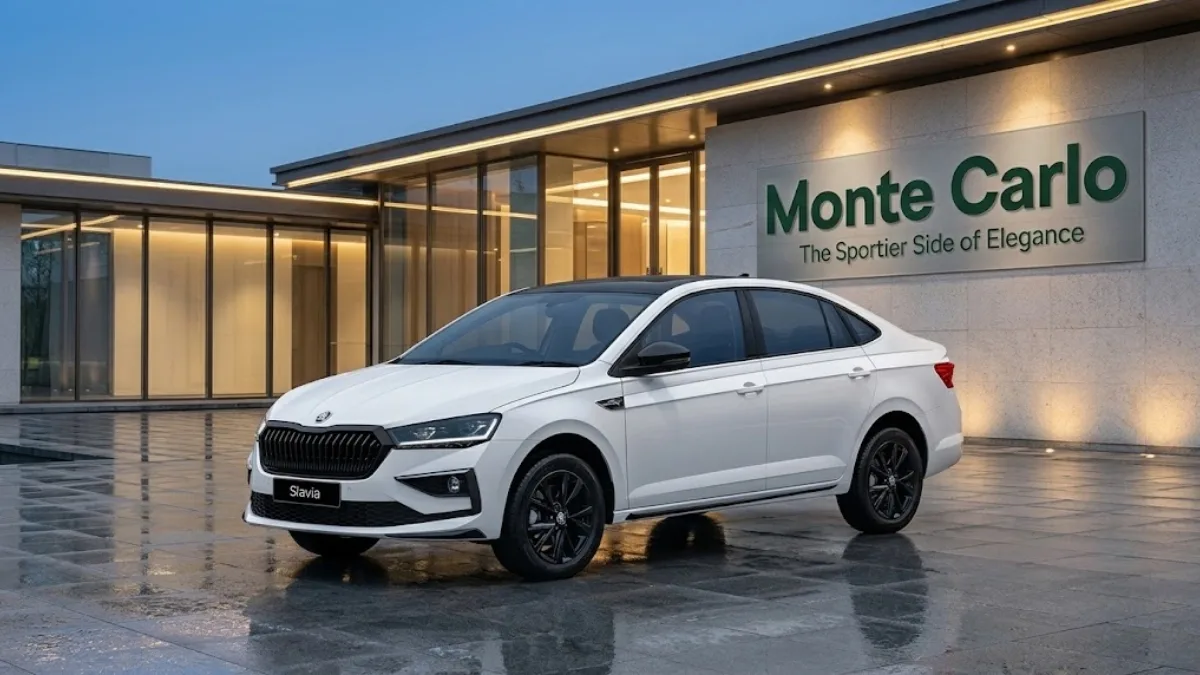
Limited Edition Skoda Slavia Monte Carlo Adds New Colours for 200 Buyers Only
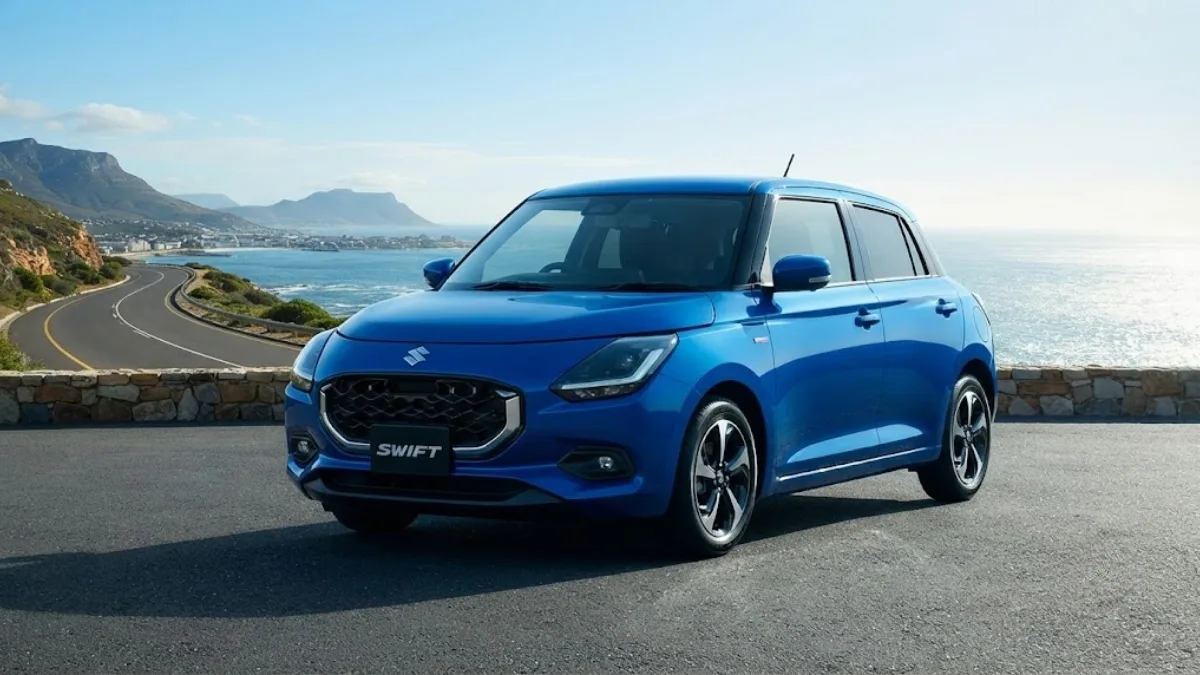
Suzuki Loses India Market Share as Buyers Demand More Features
Hybrid Car Sales Decline 8% in June 2026: Complete Analysis
How to Book Maruti Brezza Facelift: Complete Booking Guide
Alto K10 vs Tiago: Which Is Better?
Maruti Brezza Facelift 2026: What's New Compared to the Current Model?
Renault Duster Adventure Edition vs Standard Duster: What's Different?
Skoda Slavia Facelift 2026 vs Volkswagen Virtus: Which Sedan Should You Wait For?
Volkswagen Tayron Life Launched in India at ₹41.99 Lakh
Volkswagen Announces 50% Reduction In Global Car Line-up
Tata Nexon Pure Plus : Know Everything Before Buying in July
Best Selling Cars of June 2026 in India
July 2026 Car Offers: Tata, Honda, Kia, MG, Hyundai, Maruti and Other Brands' Discount Offers
Renault Kwid 2026 Launched at Rs 4.53 Lakh
Cheapest Hybrid Cars in India: You Must Know
Tata Sierra Test Drive Booking in Noida: Complete Process Guide
Most Affordable Cars with Ventilated Seats in India
Upcoming Sedan Cars in August 2026 in India
Tata Harrier Test Drive Booking in Delhi: A Complete Guide
Upcoming SUVs in August 2026 in India